Every forklift buyer eventually faces the same question: will this machine actually work in my conditions? Spec sheets are helpful. Price quotes matter. But nothing beats seeing how equipment performs when mud is deep, loads are heavy, and downtime costs money.
This case study looks at how SDLD rough terrain forklifts performed in one of the most demanding environments possible—an open-air stone yard in East Africa, where rainy seasons turn the ground into soup and marble blocks routinely weigh multiple tons.
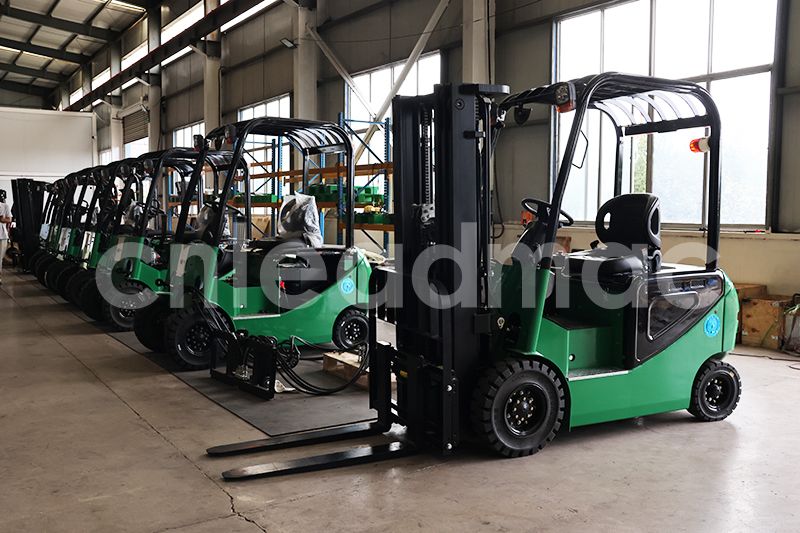
The customer operates a large stone processing facility handling marble blocks. Their working conditions present three specific problems that standard warehouse forklifts cannot solve.
First, the terrain. The yard surface consists of loose gravel and uneven packed earth. During the rainy season, it becomes muddy and soft. Standard pneumatic tires sink. Traction disappears. Forklifts slide or get stuck.
Second, the load. Marble blocks are dense and heavy. A 3.5-ton rated capacity is not a suggestion—it is the minimum working requirement for their daily operations.
Third, the operating schedule. The stone yard runs continuous shifts. Equipment that breaks down or requires frequent maintenance directly reduces output. The previous forklifts suffered from frequent slipping issues and underpowered performance in poor conditions, creating operational bottlenecks .
This is a common scenario in quarry and mining applications worldwide. Standard forklifts are designed for flat, paved surfaces. When conditions are rough, buyers need equipment built specifically for the environment.
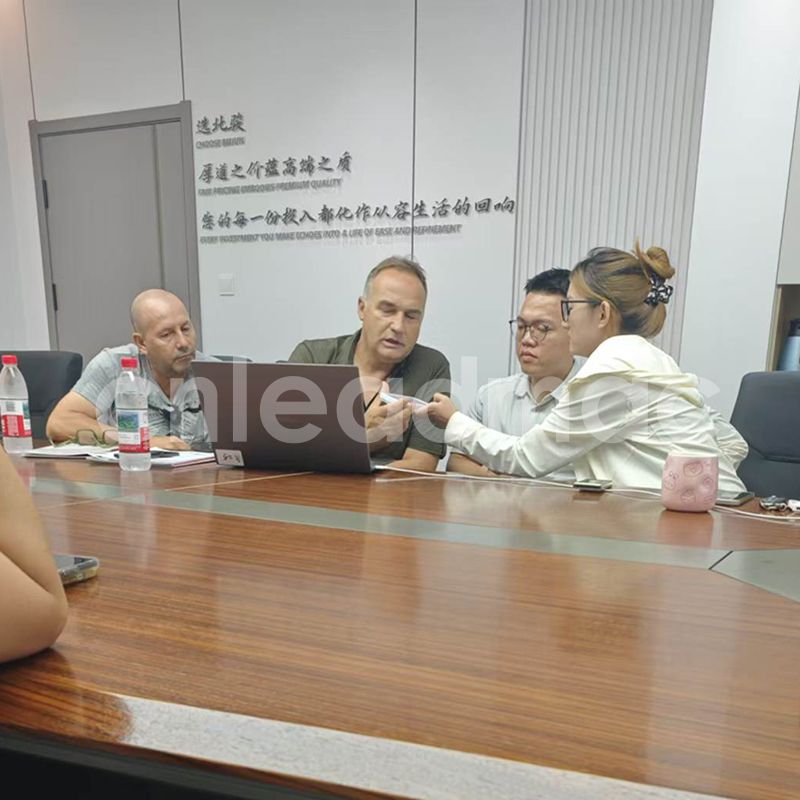
After evaluating multiple Chinese forklift suppliers, the stone plant selected SDLD for two primary reasons: proven off-road capability and competitive factory-direct pricing.
The delivered units were 3.5-ton 4WD rough terrain forklifts—a configuration designed from the ground up for quarry, construction, and mining environments.
4-wheel drive system. This is the defining feature. Power goes to all four wheels, providing traction that 2WD forklifts simply cannot match. On muddy surfaces or loose gravel, the 4WD system maintains forward motion when other machines would spin or dig in.
Heavy-duty mast with overload protection. Lifting 3.5-ton marble blocks requires structural strength and safety systems. The reinforced mast handles the load securely, and overload protection prevents dangerous lifting conditions .
Reinforced chassis for durability. The frame is built to withstand the constant shock of operating on uneven ground. This is not a warehouse forklift with off-road tires bolted on—the entire platform is designed for rough terrain use.
Fuel efficiency for long shifts. The diesel engine delivers the power needed for heavy loads while maintaining reasonable fuel consumption during 8-10 hour operating days .
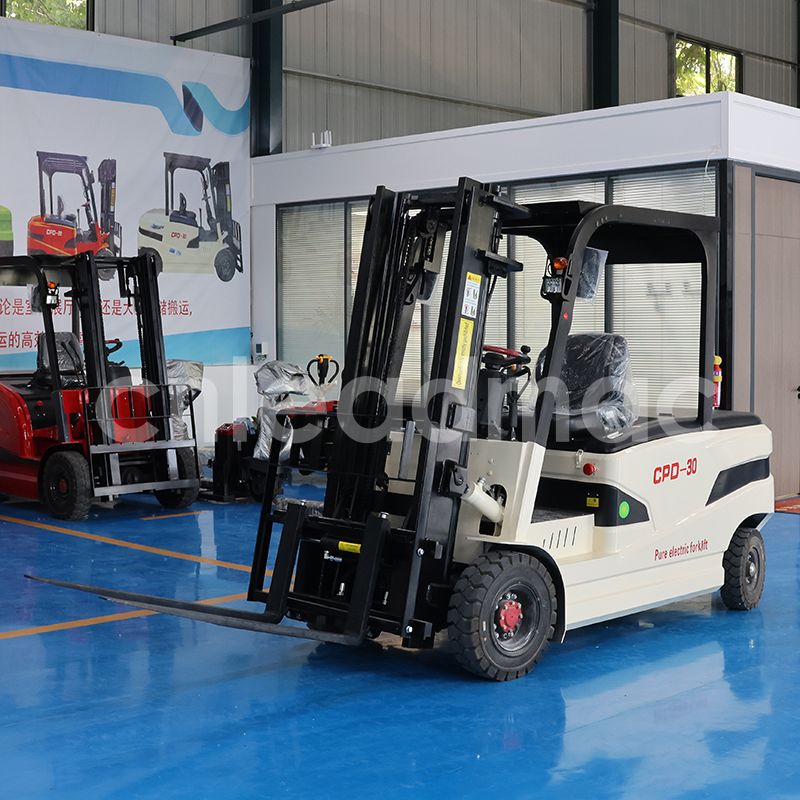
The true test of any equipment is how it performs after the novelty wears off and the real work begins.
After 12 months of continuous on-site operation, the SDLD rough terrain forklifts maintained reliable handling performance on muddy, uneven quarry ground.
Daily operating hours: 8-10 hours per day, continuous shifts.
Terrain performance: The 4WD system handled rainy season mud without the slipping issues that plagued previous equipment. The customer specifically noted that the 4WD power is “excellent in rainy mud ground”.
Downtime reduction: Breakdown time decreased significantly compared to the previous forklift fleet. The customer reported that breakdown time “reduced greatly” after switching to SDLD.
Load handling: Consistent, stable lifting of 3.5-ton stone blocks throughout the test period .
The project manager at the Africa stone plant provided direct feedback on the equipment’s performance:
“We run these SDLD forklifts for 8-10 hours every day. The 4WD power is excellent in rainy mud ground. Breakdown time reduced greatly compared with our previous forklifts. SDLD after-sales team responded quickly when we needed spare parts”.
This feedback points to something beyond specifications. Reliable equipment matters, but responsive support when parts are needed—especially in remote locations—is equally important for maintaining operations.
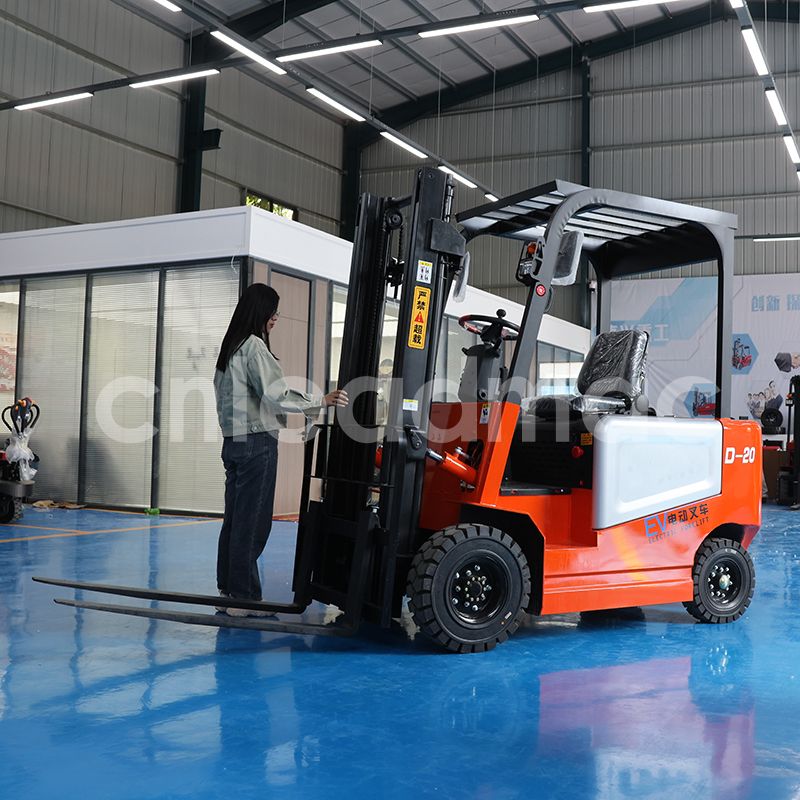
The East Africa stone yard project illustrates several principles that apply to any buyer evaluating rough terrain forklifts for demanding environments.
Terrain determines equipment type. A standard forklift—even a well-built one—will struggle in mud and gravel. If your operating surface is unpaved or subject to weather, 4WD rough terrain capability is not optional. It is the baseline requirement.
Durability is measured in months, not days. Any forklift works when new. The real question is how it performs after a year of daily use in harsh conditions. This project demonstrated that SDLD units maintain performance over extended periods .
After-sales support matters in remote locations. When equipment operates thousands of kilometers from the factory, spare parts availability and technical support become critical. SDLD provides 7×24 online technical support and maintains a full set of spare parts for their forklift range [citation:1].
Factory-direct pricing changes the math. The customer selected SDLD partly for competitive factory-direct pricing . For buyers purchasing multiple units, eliminating middlemen can significantly reduce total acquisition cost.
The rough terrain forklifts used in this case represent one segment of SDLD’s broader product lineup. Shandong Leadmac manufactures and exports a full range of material handling equipment.
Diesel rough terrain forklifts: 1.5-ton to 10-ton capacity. Designed for mining, stone yards, construction sites, and farms. 4WD options available for the most challenging terrain.
Lithium electric counterbalance forklifts: For warehouses and indoor operations where emissions and noise matter. Suitable for food processing, logistics centers, and manufacturing facilities.
Warehouse electric stackers: Compact units for high-density storage, narrow aisles, and vertical racking applications .
These products are exported to Africa, Southeast Asia, the Middle East, and Latin America, serving industries including mining, stone processing, agriculture, and logistics.
Look at your operating surface. If it is paved and flat—concrete or asphalt—a standard forklift is appropriate. If it is gravel, dirt, mud, or subject to weather conditions that soften the ground, you need rough terrain capability. The East Africa case demonstrates what happens when standard equipment is used in conditions it was not designed for: slipping, underpowered performance, and frequent breakdowns.
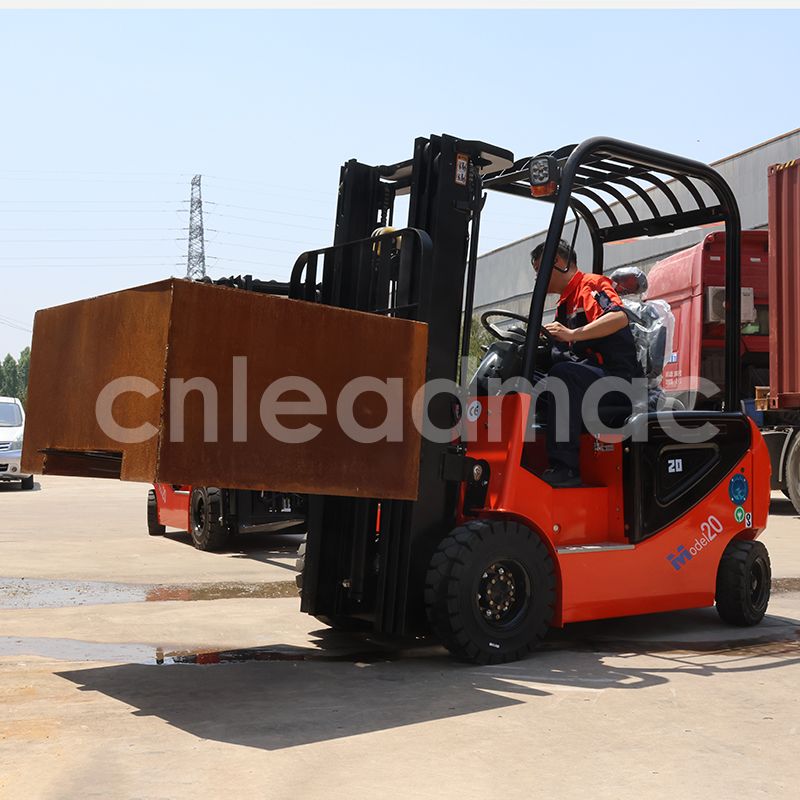
Power delivery. A 2WD forklift directs engine power to two wheels. If those wheels lose traction—common on mud or loose gravel—the machine stops moving. 4WD sends power to all four wheels, maintaining traction even when some wheels slip. In the stone yard project, this made the difference between productive operation and getting stuck during rainy season conditions.
Yes. SDLD offers customization options on mast configurations, fork lengths, attachments, and cabin specifications. For rough terrain applications, key considerations include tire type, lift height requirements, and any special attachments needed for the specific load type. Buyers should discuss their exact operating conditions with the SDLD team to determine the optimal configuration.