As summer approaches, temperatures continue to rise, and the electric forklifts in logistics warehouses and manufacturing workshops are facing the most severe test of the year. Motor overheating causing shutdowns, battery temperature alarms, and controller thermal protection triggering - "overheating strike" has become the top challenge for many enterprises during their summer operations.
During the peak operation period, a forklift suddenly stopped working. This not only caused the transportation to be interrupted, but also might lead to material shortages on the production line,
delayed shipments, and even potential safety hazards. Recently, we conducted a summer high-temperature operating condition test on the entire vehicle thermal management system of the new
generation lithium battery electric forklift to verify its continuous operation capability in extreme environments.
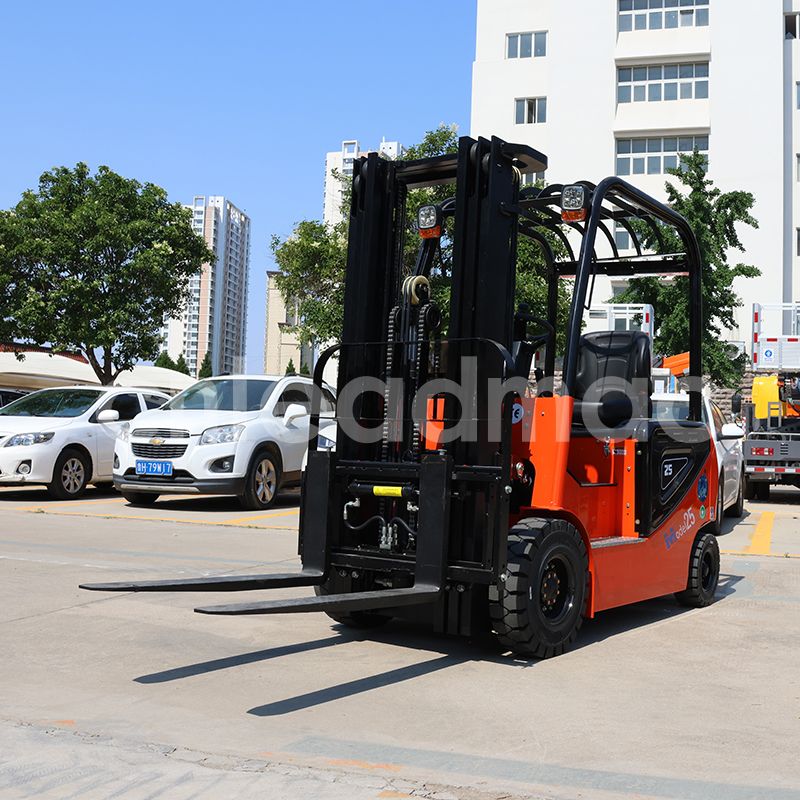
I. Summer Challenges: Why Are the Three Core Components Prone to "Overheating"?
In an environment with a temperature above 35℃, electric forklifts encounter three heat-related challenges:
ComponentOverheating CauseConsequences
Drive MotorLong-term high-load operation with insufficient cooling Torque reduction, triggering thermal protection and shutdown
Oil Pump MotorRepeated lifting and tilting movements, continuous high current output Efficiency decline, accelerated aging
ControllerElectronic components are densely packed and extremely sensitive to temperature Performance degradation, risk of permanent damage
Lithium Battery PackHigh-rate discharge + high ambient temperature + uneven heat dissipation Range reduction, shortened cycle life, risk of thermal runaway
Customer's Real Feedback: "The hottest time of the year is around 2-3 PM. The forklift suddenly 'stalled', and after cooling down for half an hour, the entire delivery plan was completely disrupted."
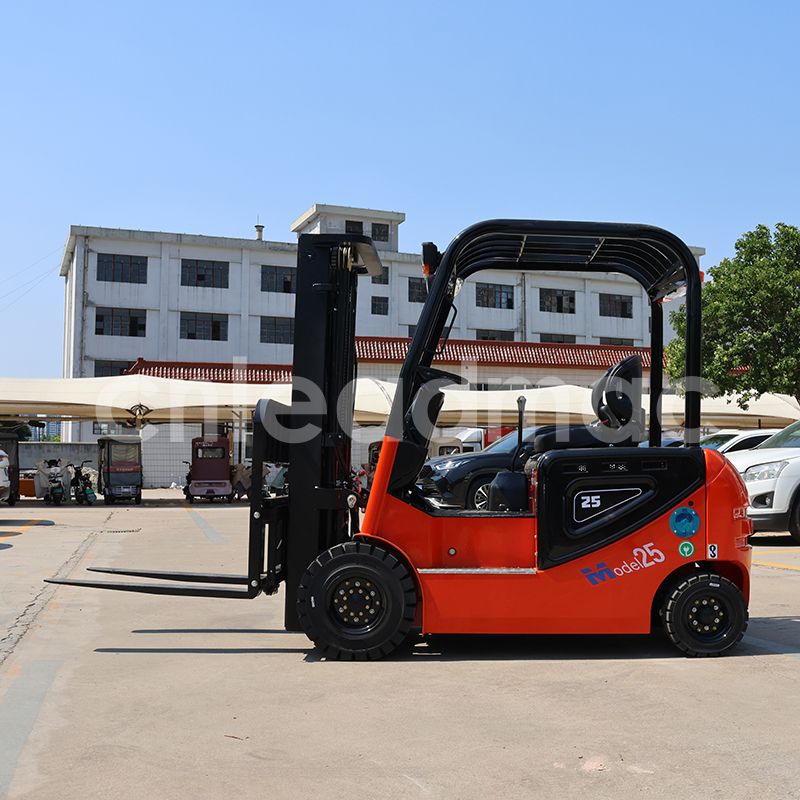
II. Field Verification: At a temperature of 38°C, there was no overheating during an 8-hour continuous operation.
Test Date: Mid-July, with the highest temperature reaching 38°C in the afternoon.
Test site: A logistics distribution center in East China, a semi-open warehouse (without air conditioning)
Tested vehicle model: 3-ton lithium battery counterbalanced electric forklift (equipped with the latest intelligent thermal management system)
Test conditions:
Continuous loading and unloading operations, with an average load capacity of 2.5 tons.
The cycle frequency is 12 to 15 times per hour.
Including frequent lifting, lowering, acceleration and braking actions
Simulate the most severe "full-load + high-temperature" scenario of summer
Measured temperature records:
TimeEnvironmental TemperatureMotor TemperatureController TemperatureBattery TemperatureState
09:0030℃42℃38℃28℃Normal Startup
11:0034℃58℃52℃35℃Normal
13:0037℃67℃61℃41℃Normal
15:0038℃72℃68℃45℃Normal (No Protection Triggered)
17:0036℃71℃66℃44℃Normal Completion of 8-hour Work
Key Conclusion: After continuous operation for 8 hours in a 38℃ high-temperature environment:
The maximum temperature of the motor is 72℃ (the thermal protection threshold is usually 110-120℃)
The maximum temperature of the controller is 68℃ (with the threshold set at approximately 85℃)
The maximum temperature of the battery is 45℃ (the safe operating upper limit for lithium iron phosphate batteries is approximately 60℃)
During the entire process, no overheating protection shutdown was triggered, and the temperatures of the three core components remained within the safe range.
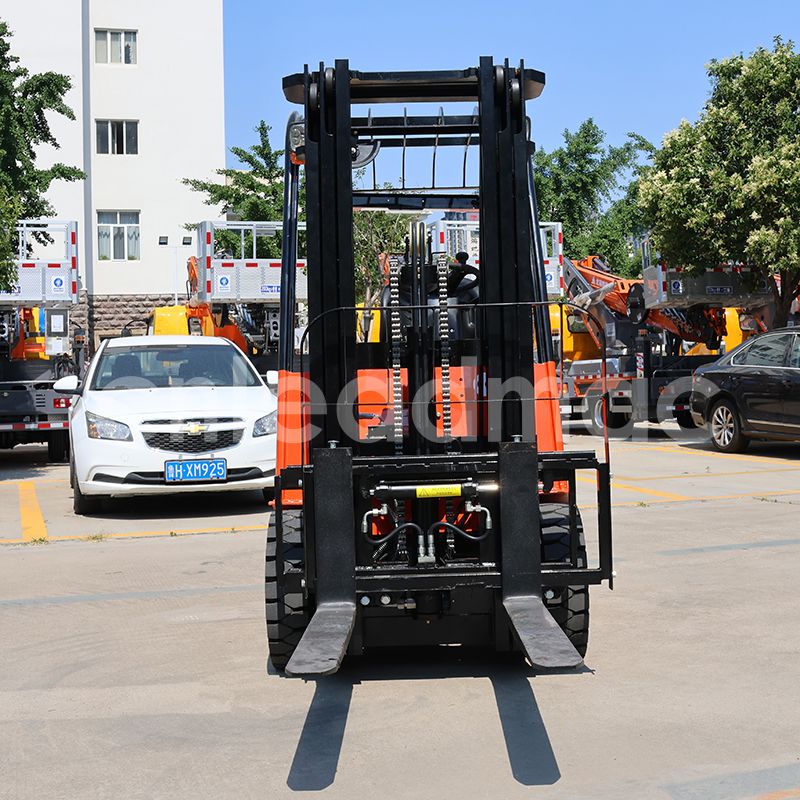
III. How was it achieved? Analysis of the four core thermal management technologies
1. Independent ventilation forced cooling system
For traditional electric forklift motors and controllers, natural cooling or shared ventilation channels were commonly used, resulting in low cooling efficiency. The new generation models adopt an independent ventilation design:
The drive motor and the oil pump motor are each equipped with independent cooling fans, and the fan speeds are automatically adjusted according to the temperature.
The controller is installed on an independent heat dissipation aluminum plate and fan module, and the heat is directly discharged from the cabin.
The air inlet and outlet are separated to prevent the return of hot air.
Actual measurement comparison: Under the same operating conditions, the independent air duct design results in a 12-15℃ reduction in the controller temperature compared to the traditional solution.
2. Intelligent Temperature Control Fan Strategy
The cooling fan is no longer subject to the simple logic of "either fully on or fully off". The new generation BMS works in conjunction with the vehicle's controller to achieve graded temperature control:
Temperature rangeFan statusPower limit
< 60℃Low speed operationNo limit
60 - 75℃Medium speed operationNo limit
75 - 85℃Full speed operationNo limit
85 - 95℃Full speed + alarmMinor reduction (about 10%)
> 95℃Full speed + strong alarmSpeed limit protection, no shutdown
Key design: Even if the temperature alarm is triggered, the system will not shut down abruptly. Instead, it will first operate at a reduced power level, giving the operator time to complete the current task and return to the charging area.
3. Dual-mode thermal management with liquid cooling and natural cooling
Due to the sensitivity of lithium batteries to temperature, the new system offers a dual-mode option:
Natural cooling mode: In daily light to medium load conditions, the battery relies on the heat dissipation fins on the casing and the assistance of a fan for cooling, with zero energy consumption.
Liquid cooling mode (optional): In high-temperature environments or when performing high-rate continuous discharge, the liquid cooling cycle is activated. The coolant flows through the water-cooled
plates between the battery modules, carrying away the heat to a separate radiator.
Tested data: In the liquid cooling mode, when the battery is discharged at a rate of 1C in an environment of 40℃, the temperature rise does not exceed 8℃.
4. Global Thermal Balance Scheduling Algorithm
The vehicle controller no longer operates independently for each component; instead, it collects real-time temperature data from all temperature points via the CAN bus and conducts global coordination:
When the motor temperature rises too rapidly, appropriately limit the duration of peak power output.
When the battery temperature approaches the warning limit, prioritize reducing the regenerative braking charging current;
During the charging process, the BMS automatically adjusts the charging current according to the cell temperature, and automatically reduces the current flow for protection in high-temperature environments.
This "preemptive" scheduling logic avoids the occurrence of a chain reaction due to overheating of a single component.
IV. Beyond Heat Dissipation: Additional Safeguards for Summer Operations
In addition to the thermal management system, the new generation of electric forklifts also offer the following safeguards for summer operations:
✅ Temperature alarm classification prompt: The dashboard uses green/yellow/red colors to clearly indicate the temperature status of each component, making it easy for the operator to understand.
✅ Automatic power reduction protection logic: Even if the overheating protection is triggered, the machine will not suddenly shut down. Instead, it will gradually reduce the power to ensure a safe conclusion of the operation.
✅ Motor/Controller IP54 Protection: Dust and water-resistant design, providing greater peace of mind during summer thunderstorms or when washing the workshop.
✅ Battery insulation layer: The battery pack shell is equipped with insulation materials to reduce the transmission of external high temperatures to the battery cells.
✅ Optional "High Temperature Package": For regions with high temperatures such as South China and Southeast Asia, additional options like larger radiators, upgraded fans, and liquid-cooled batteries are available for selection.
✅ Free inspection in summer: From June to August each year, we offer on-site temperature measurement, radiator cleaning, and fan condition inspection services.
V. Application Scenarios: Who Needs This Thermal Management System the Most?
Users in South China and Southeast Asia: During the summer, when temperatures remain above 35℃ for long periods, ordinary forklifts are unable to operate continuously.
High-temperature workshops for steel, casting, glass, etc.: The ambient temperature can even be higher than that outside.
Logistics Distribution Center: Semi-open warehouse, without air conditioning, forklifts operate 24/7
Shifted-shift enterprises: Forklifts operate almost continuously, and the heat dissipation pressure has increased exponentially.
VI. Conclusion: No Longer Afraid of "Heat" in Summer
The "overheating strike" of electric forklifts in summer is not an inevitable fate.
Through four technologies - independent air duct forced cooling, intelligent temperature control fan, dual-mode battery thermal management, and global thermal balance algorithm - the new generation
lithium battery electric forklift has been verified to have an 8-hour continuous operation capability in a 38℃ high-temperature environment. Throughout the entire process, the temperatures of the three
core components - the motor, the battery, and the controller - remained within the safe range, and there was no occurrence of any overheating protection shutdown.
This summer, let the electric forklifts truly "calm down".
 3 Ton Electric Forklift for Ma
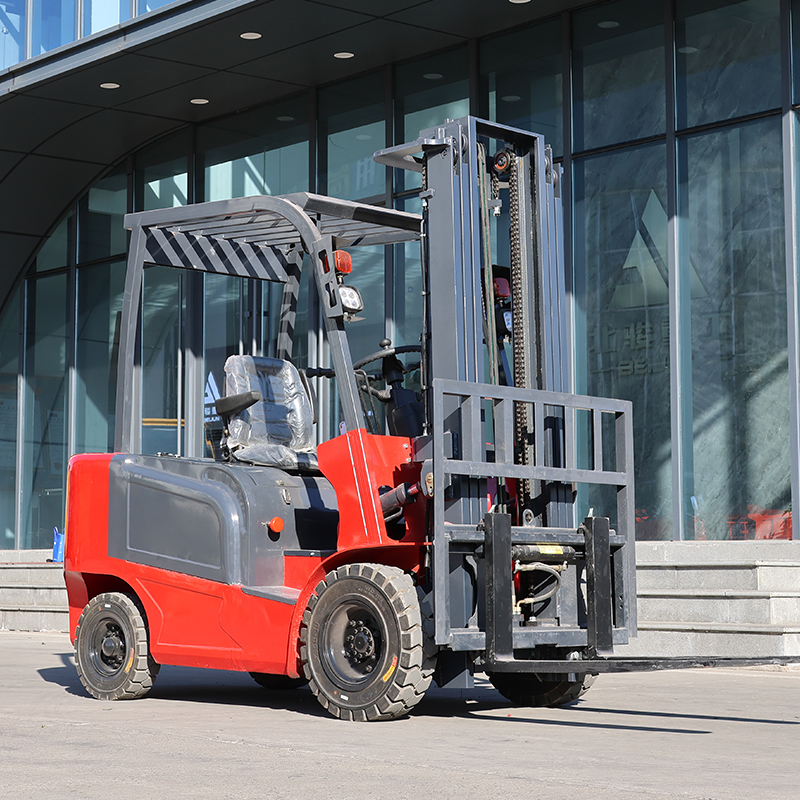 SDLD Forklifts Ride China Expo
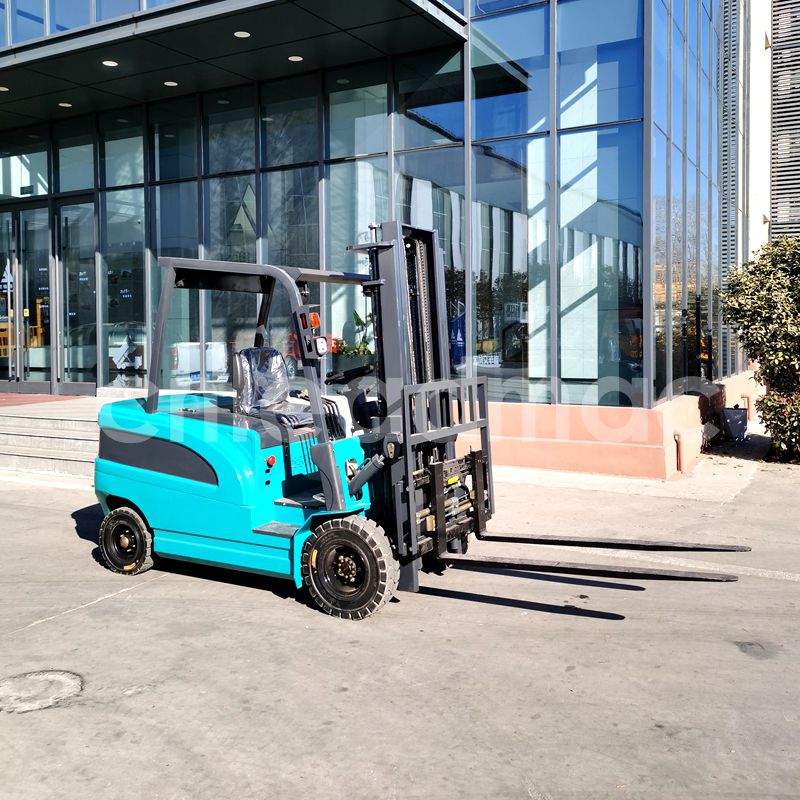 SDLD Shandong Leadmac Forklift
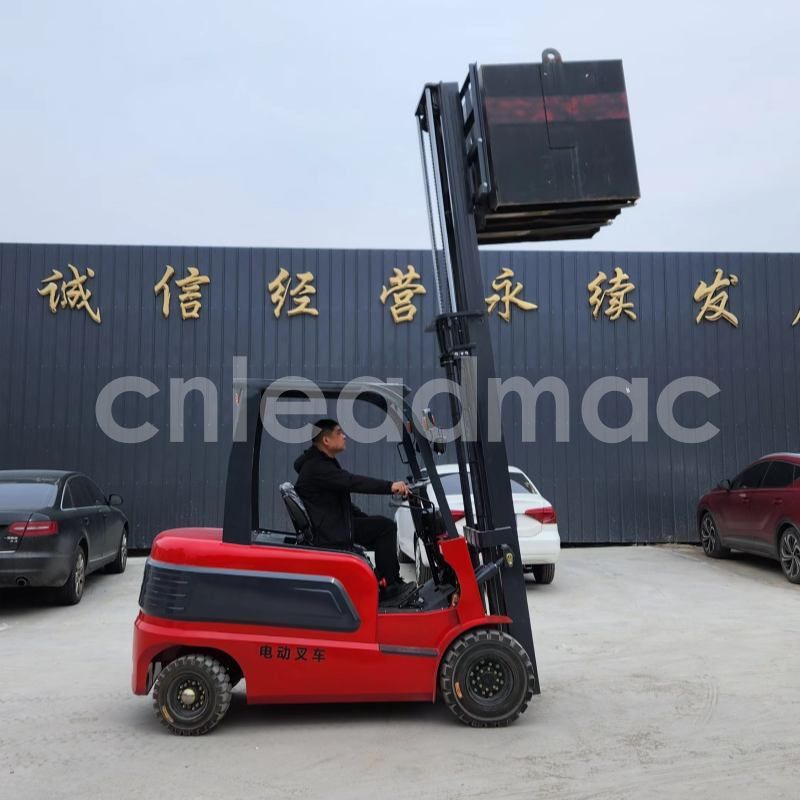 Shandong Leadmac SDLD Forklift